



 اردو
اردو 















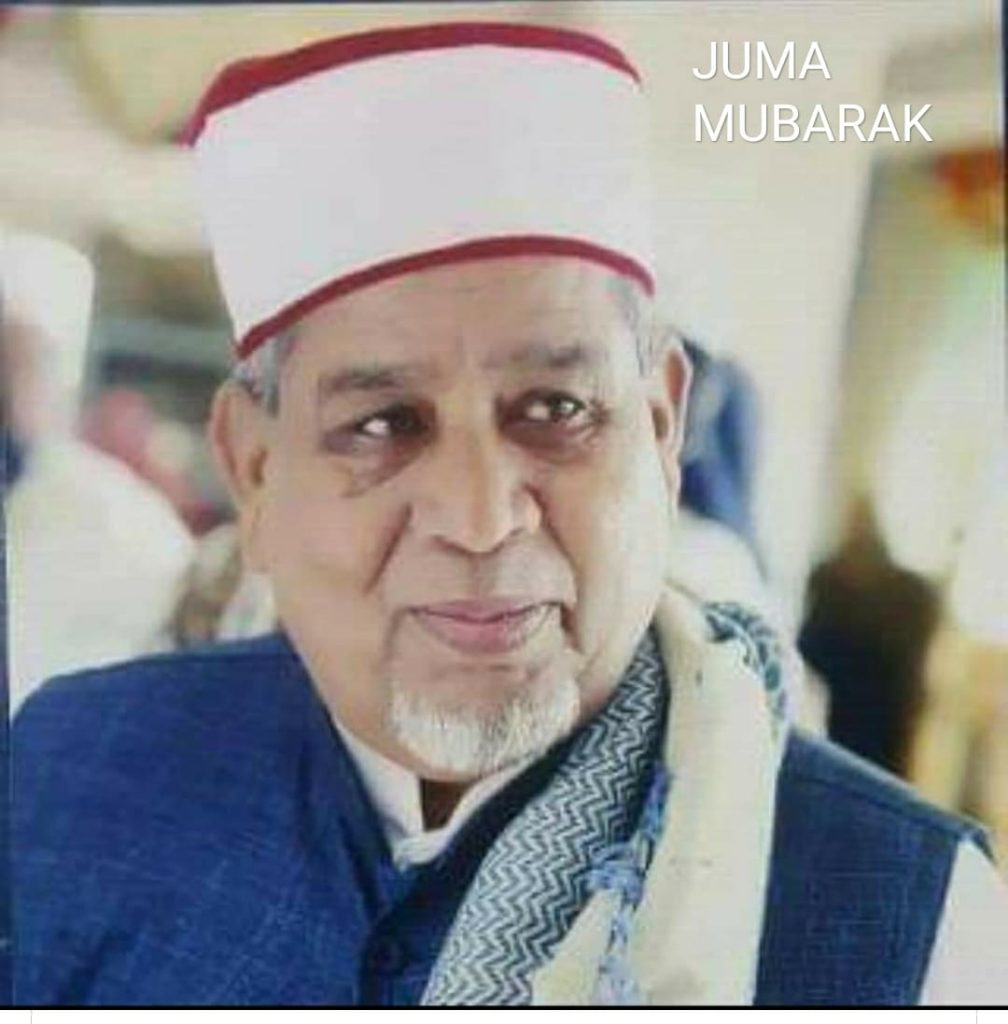


















































































































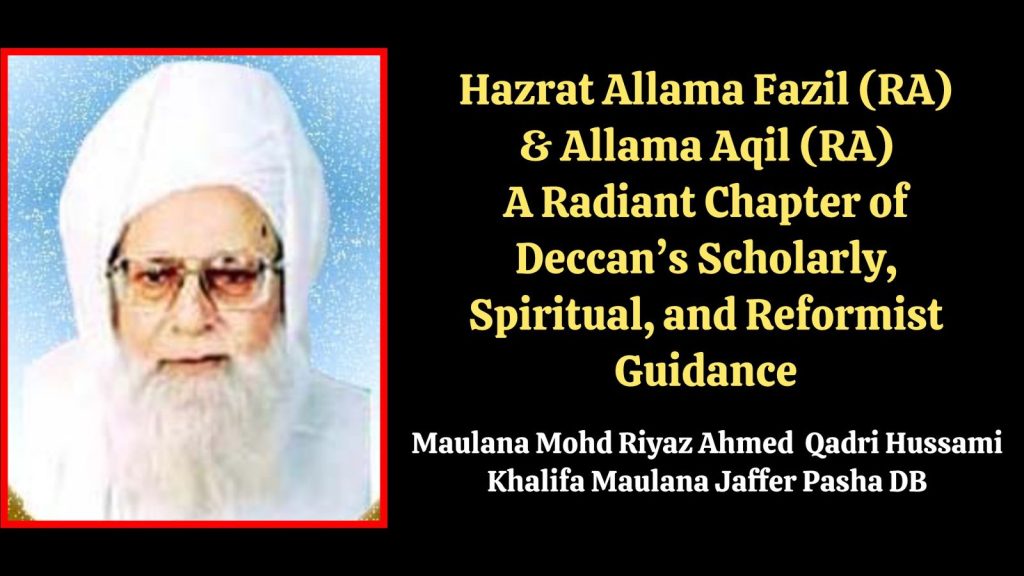

























































































































































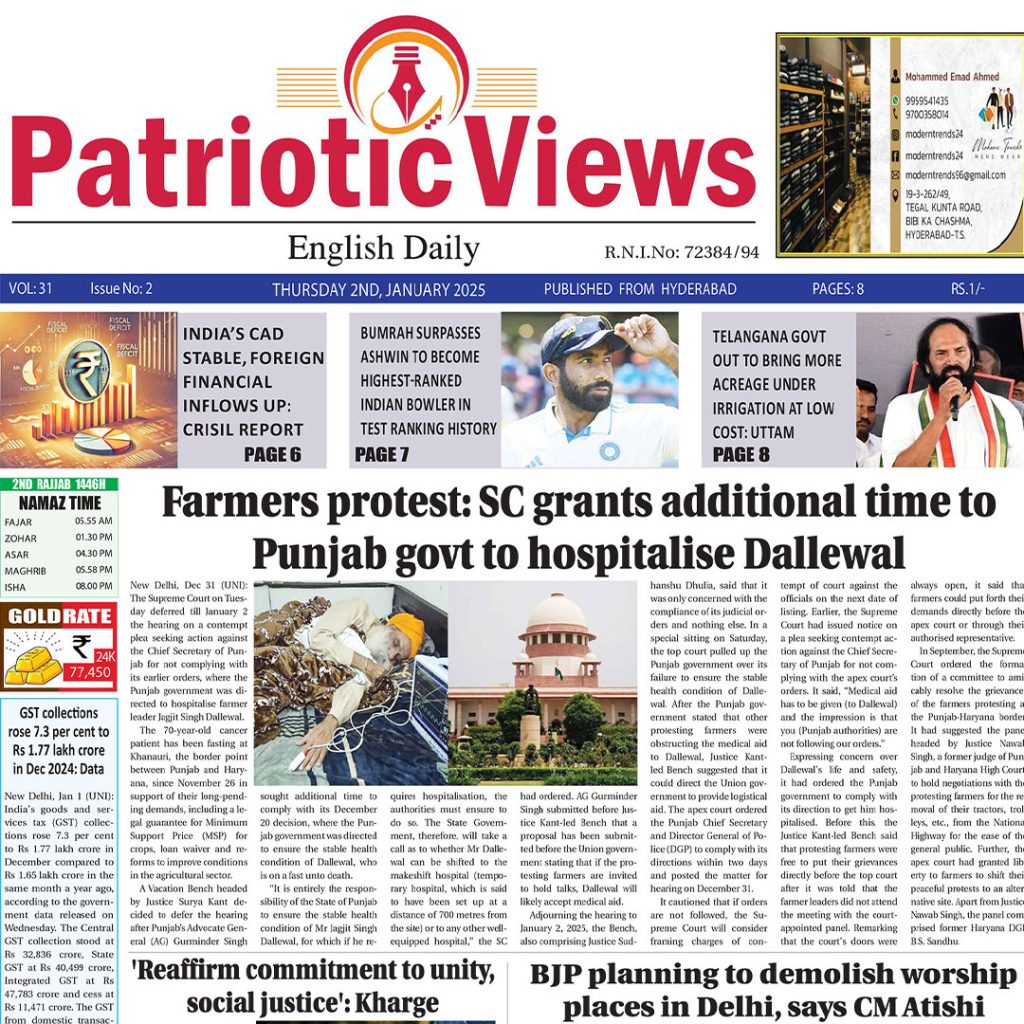
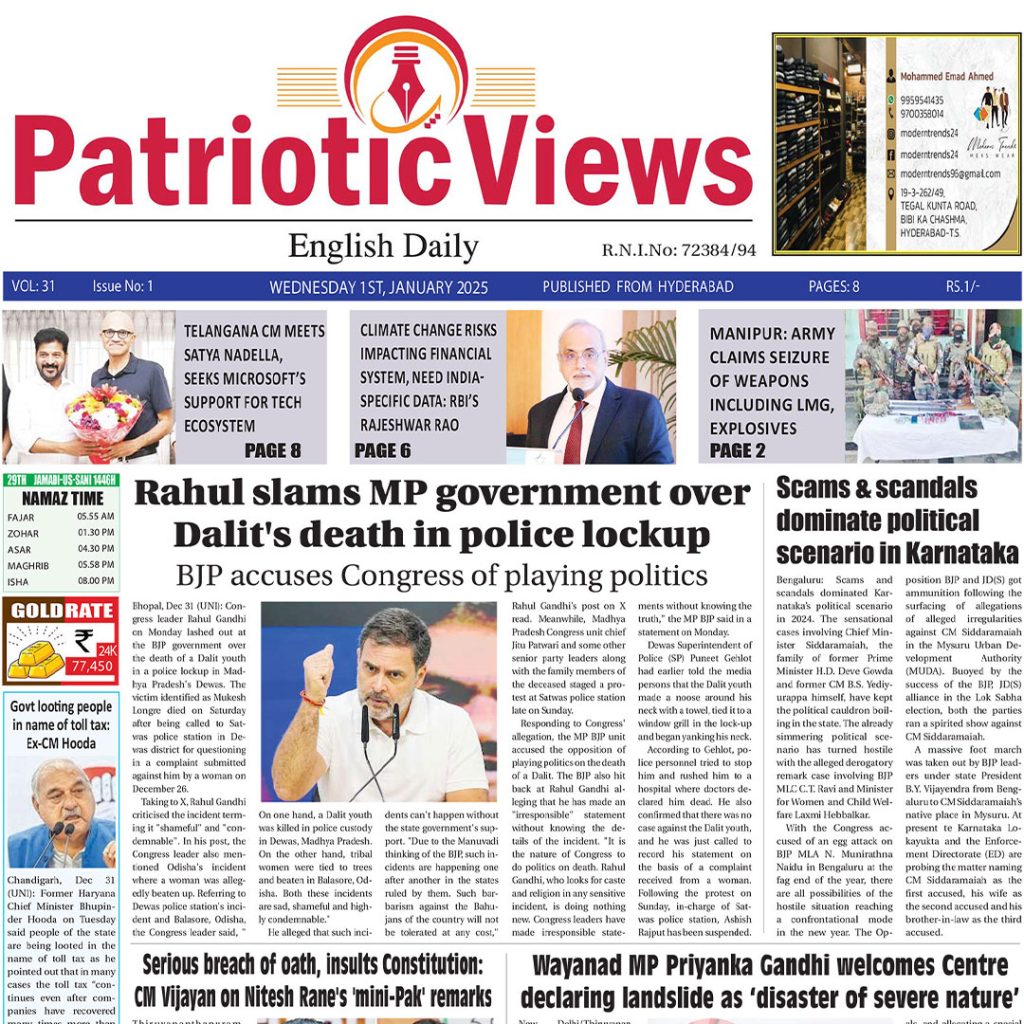
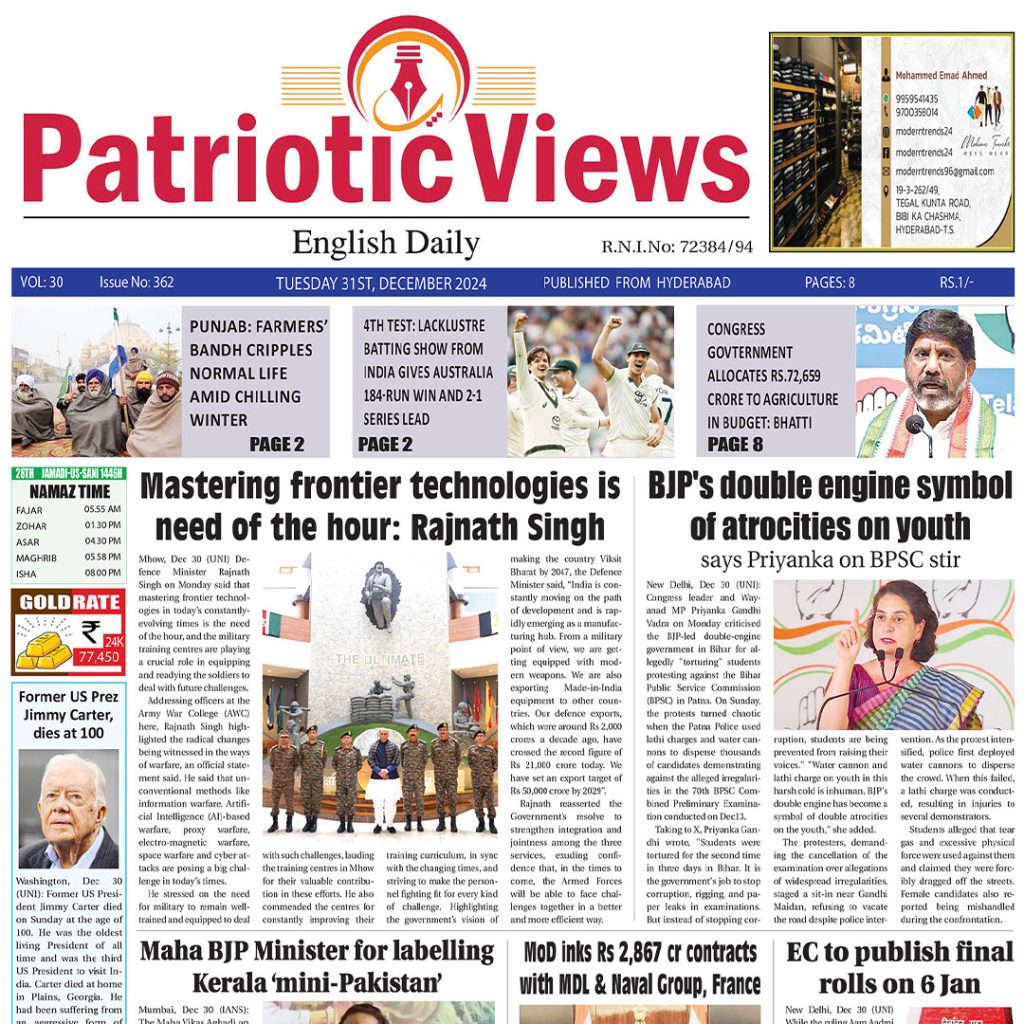
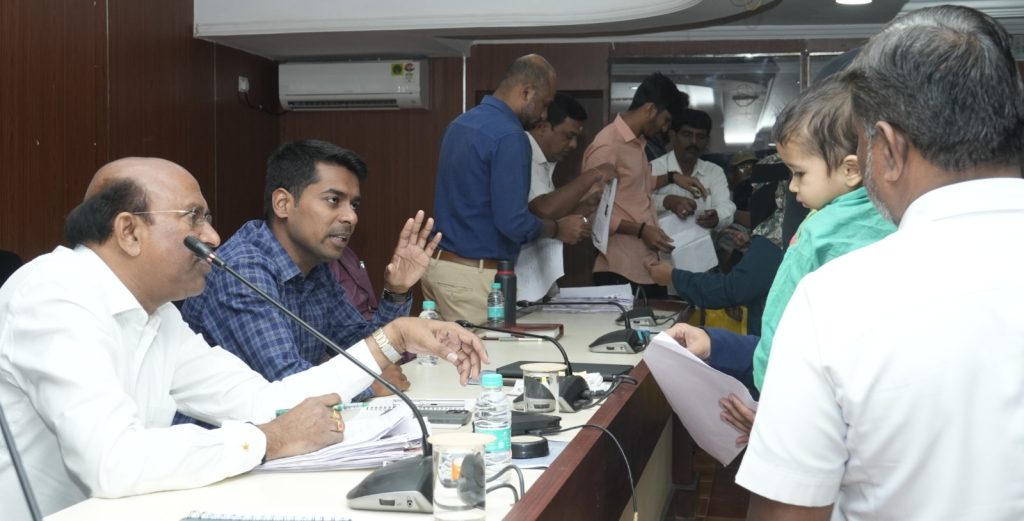





























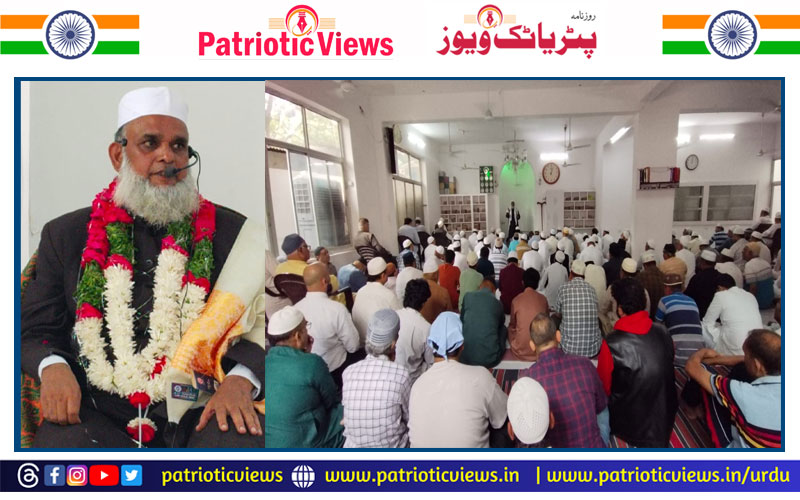









































































Hazrat Allama Fazil (RA) and Allama Aqil (RA): A Radiant Chapter of Deccan’s Scholarly, Spiritual, and Reformist Guidance

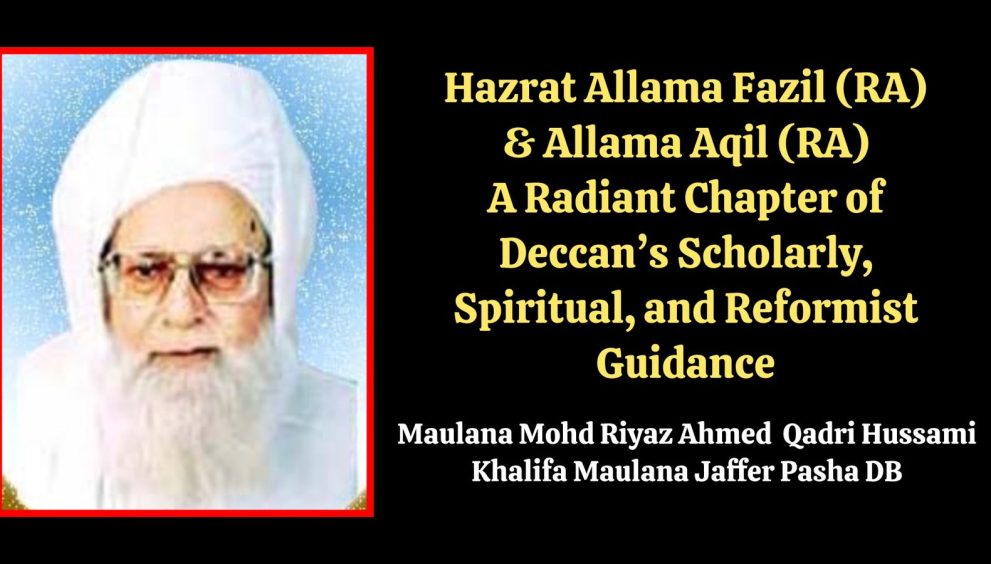
By: Maulana Mohammed Riyaz Ahmed Qadri Hussami
(Khalifa of Maulana Jaffer Pasha Sani-e-Aqil Qibla)
Hazrat Allama Mohammed Hussamuddin Fazil (RA) is counted among the great scholarly and spiritual personalities of the subcontinent who attained a unique position in the religious, intellectual, and reformist environment of the 13th century Hijri. He was born on 19th Sha‘ban (on a blessed Friday) at Muhammadabad, Bidar (then part of Hyderabad Deccan State). His father, Molvi Mohammed Jafar, was a pious, knowledge-loving, and Shariah-abiding personality. His lineage traced back to Bidar’s ancient scholars and saints. The family’s ancestor, Hazrat Maulana Syed Tajuddin, a great scholar and leader of the community of his time, had accompanied Emperor Aurangzeb from Delhi to Bidar and settled there. In this scholarly and spiritual environment, Hazrat Fazil (RA) was raised.
After acquiring his primary education at home, he excelled in Qur’an, Fiqh, Hadith, and Arabic literature. His thirst for knowledge was so deep that even after marriage, he did not abandon his studies. He passed the examinations of Molvi, Dabir, Adeeb, Molvi Alam, and Molvi Fazil with distinction, receiving government awards and scholarships. He benefitted from the leading scholars of the Deccan.
In 1914, he established Anjuman Hussami, where numerous students excelled in higher examinations. He was appointed as a teacher at Madarsa Asafia at a young age. In 1919, he joined Madarsa Wastania (Gosha Mahal, Hyderabad) as an assistant teacher. Later, he served as a teacher in the Department of Theology at Darul Uloom, and in 1935, he was appointed Professor in the Department of Theology at Osmania University. His notable students included Nawab Bahadur Yar Jung, two sons of the sixth Nizam, and other eminent personalities.
Allama Fazil (RA) was not only a scholar but also a powerful preacher and orator. His sermons were so spiritually moving that audiences were spellbound. Men, women, and children, educated and uneducated alike, sat for hours listening to his heart-touching words. If fatigue set in during long lectures, he would narrate a humorous story in a refined manner, and from that story, he would extract a touching moral lesson. Countless irreligious people became God-conscious, and non-praying people became regular in prayers through his sermons.
He was also a prolific writer and poet. His works included Qur’anic exegesis, biographies of the Prophet’s companions and family, socio-religious writings, and poetry. His Na‘atiyah (Prophetic praise) collection, Jawahir Faiz-e-Rabbani, contained nearly 9,000 couplets, filled with love for the Prophet (SAW), literary richness, national concern, and mystical beauty.
In 1350 AH, he performed Hajj-e-Akbar and stayed in Madinah for a long time, where he took spiritual guidance from Sheikh Abdul Qadir Shibli (RA) and Hazrat Umar bin Mohammed Shadhili (RA). They granted him Khilafat in the Qadri and Naqshbandi Suhrawardi orders.
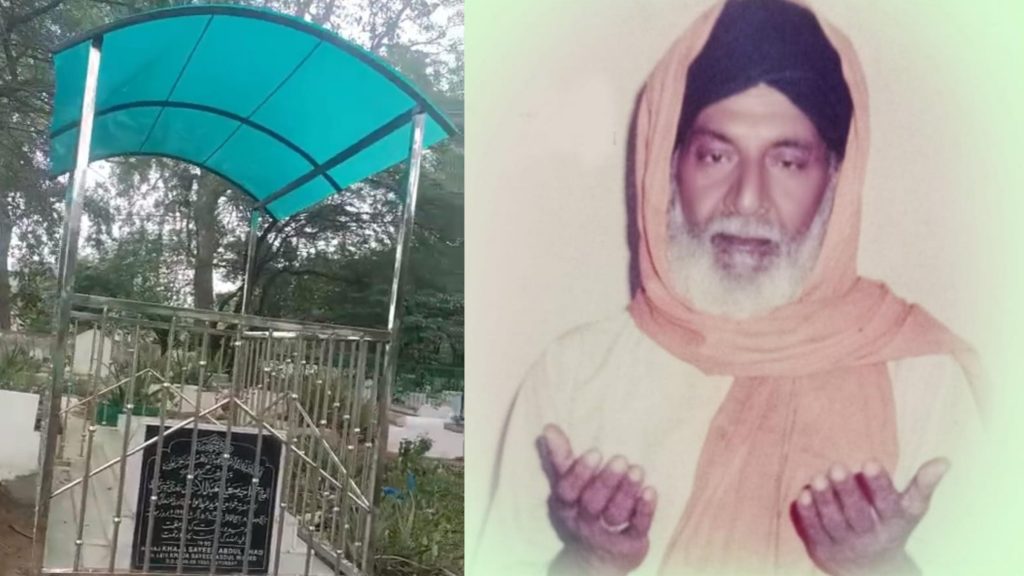
On 21 Rabi‘ al-Awwal 1377 AH, he passed away with the remembrance of Allah on his lips and his finger raised in Tashahhud. His funeral in Hyderabad was attended by more than 150,000 people. He was buried at Hussami Chaman, Eidgah Qadeem, on the night of Jumu‘ah. His teachings, students, and works remain alive in Hyderabad and beyond.
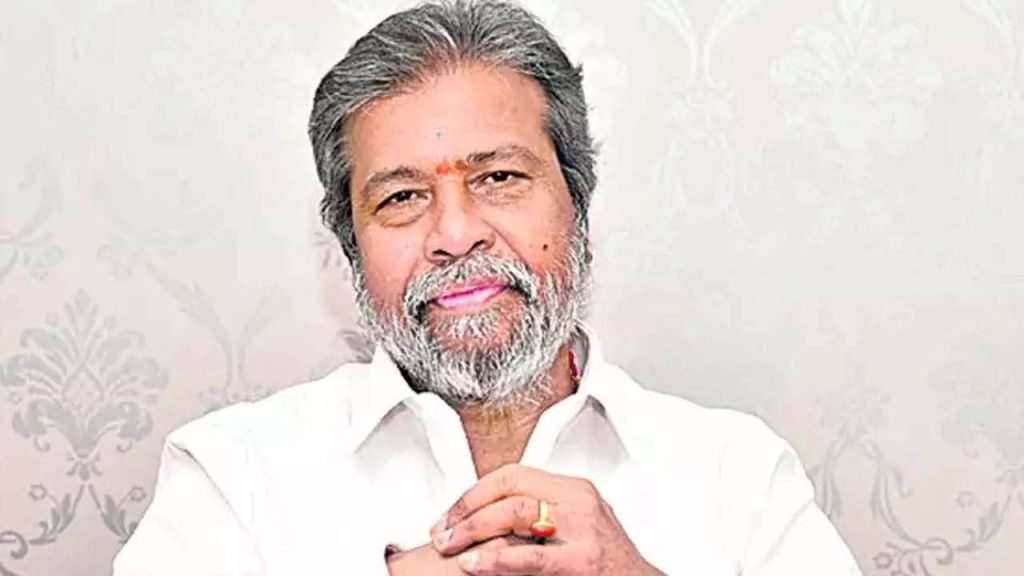
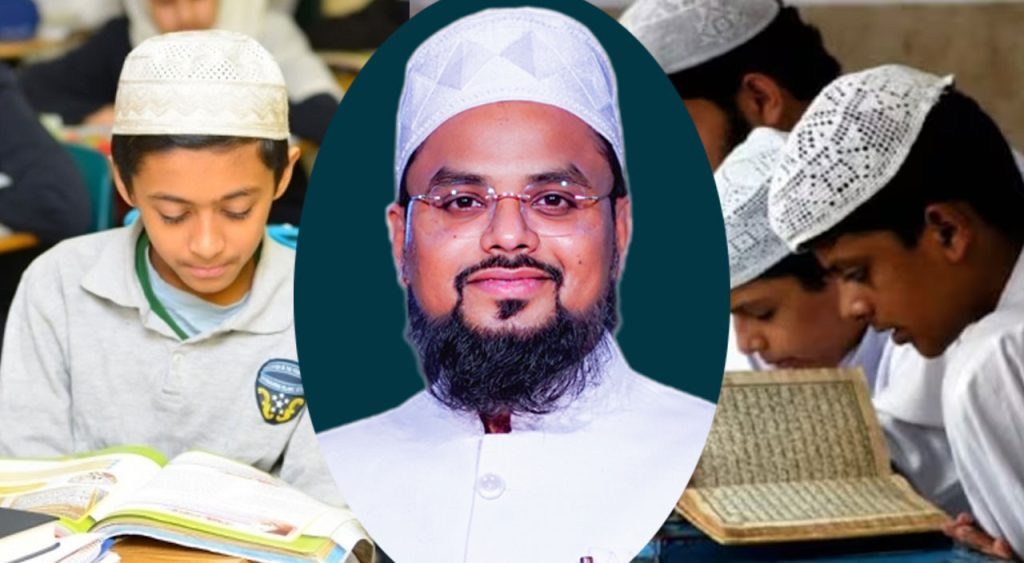
Maulana Mohammed Hameeduddin Hussami Aqil (RA)
The name of Maulana Mohammed Hameeduddin Hussami Aqil (RA) is inscribed in golden letters in the religious and national history of Deccan. Historians agree that the history of Deccan is incomplete without his mention. He was not only a distinguished scholar but also an active social reformer, fearless political leader, and true well-wisher of the Muslim Ummah. His blessed life, spanning more than half a century, reflects a continuous struggle of knowledge, service, sacrifice, unity, and wisdom.
Born around 1928 in Hyderabad Deccan, he belonged to a scholarly and spiritual family. His father, Hazrat Allama Hussamuddin Fazil (RA), was a renowned scholar. He received his early education under his father, pursued Islamic studies at Jamia Nizamia, and later modern education at Osmania University, earning BA and MA degrees, followed by PhD studies. This blend of traditional and modern education shaped his unique personality.
He founded several religious institutions, most notably Jamia Islamia Darul Uloom Hyderabad, which remains a beacon of knowledge and training in South India. His thousands of students are serving Islam worldwide. He was also a founding member of the All India Muslim Personal Law Board.
Maulana Hussami Aqil (RA) fearlessly defended the Ummah’s rights, be it against Qadianism, in defense of Muslim Personal Law, or safeguarding Muslim educational institutions. His speeches were electrifying, filled with knowledge, wisdom, and wit. His famous saying was: “Our unity is like a melon—different from outside but one from within.”
During the Emergency period, he opposed the government’s forced sterilization policy with the slogan: “Agla bachcha abhi abhi, bara ke baad kabhi kabhi” (The next child now, after twelve maybe rarely). This slogan shook the government, leading to his arrest. He endured prison with courage, declaring: “Raising the voice for truth is worship, even if its price is prison walls.”
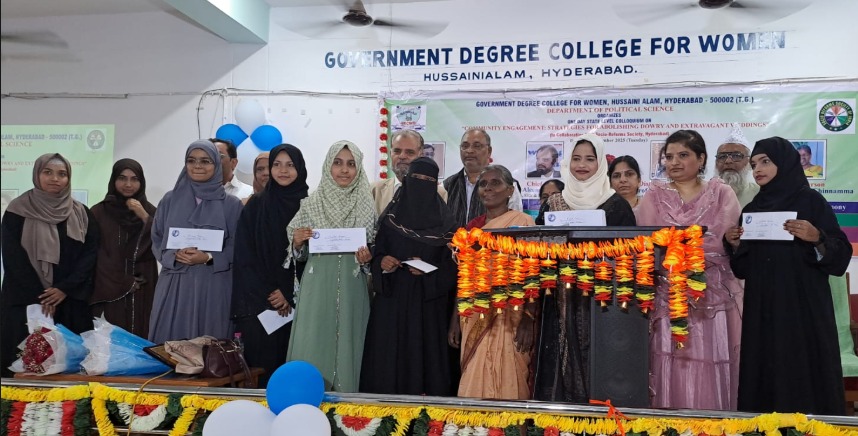
He fought against social evils like extravagance in weddings, dowry, and educational backwardness. His witty remarks became legendary. About electricity shortages he said: “Andhra Pradesh is turning into Andhera Pradesh (Land of Darkness).” On smoking he quipped: “Yes, cigarettes will be in Paradise, but to light them, one must go to Hell.”
On 12 March 2010, at the age of about 82, he passed away. His death was mourned as an irreparable loss. His institutions and teachings continue to inspire generations. His life conveyed that:
- Knowledge without action has no permanence.
- Unity is the strength of the Ummah.
- Speaking truth is a sign of faith.
- Reform is possible only through practical example, not speeches alone.
Even 14 years after his passing, his sacrifices and guidance remain a source of light for the community. May Allah elevate his ranks, forgive him and all elders of the Hussami Silsila, and grant them Jannat-ul-Firdous in the company of the Prophets, the Truthful, the Martyrs, and the Righteous.